My dad chuckled when we loaded the watermelon seedlings into the cart.
It seemed logical to us: three types, one of each. Responsible, even.
Two weeks later, while reading about how much space watermelons actually need, we figured out why he was laughing. The shop groups seedlings. When you buy one variety, you buy three. Which meant our three watermelons had quietly become nine.
And if you know anything about watermelons — which, to be clear, we absolutely did not — you need a ton of space to grow even one.
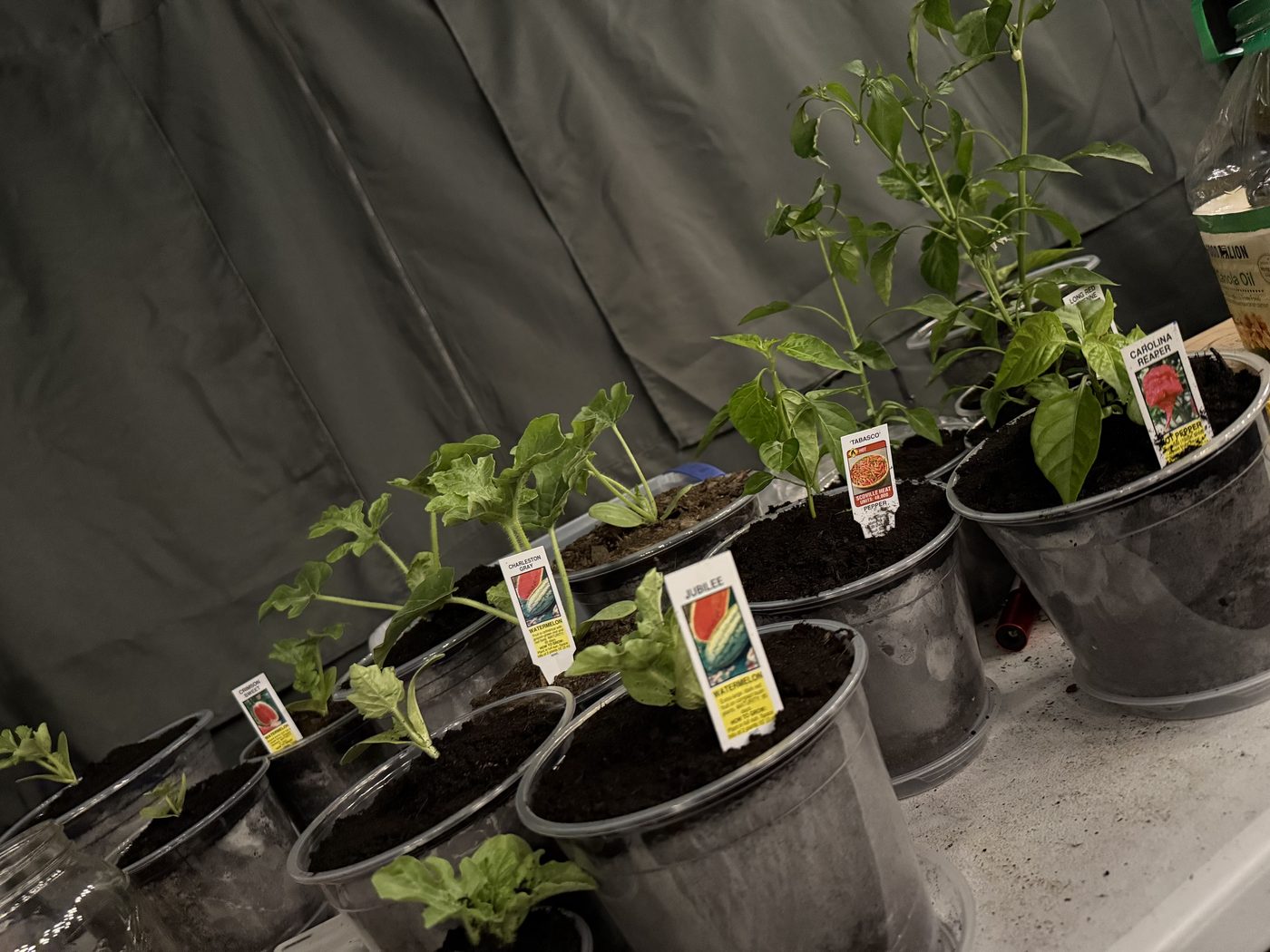
We did not have that kind of room.
A year earlier, my wife and I were still mostly indoor people. My hobbies were video games and smart home automation; hers were indoor plants and also video games. The outdoors was a place we passed through, not a place we lived in.
Then we moved away from the city and into a place with a yard — a yard the moles had already claimed.
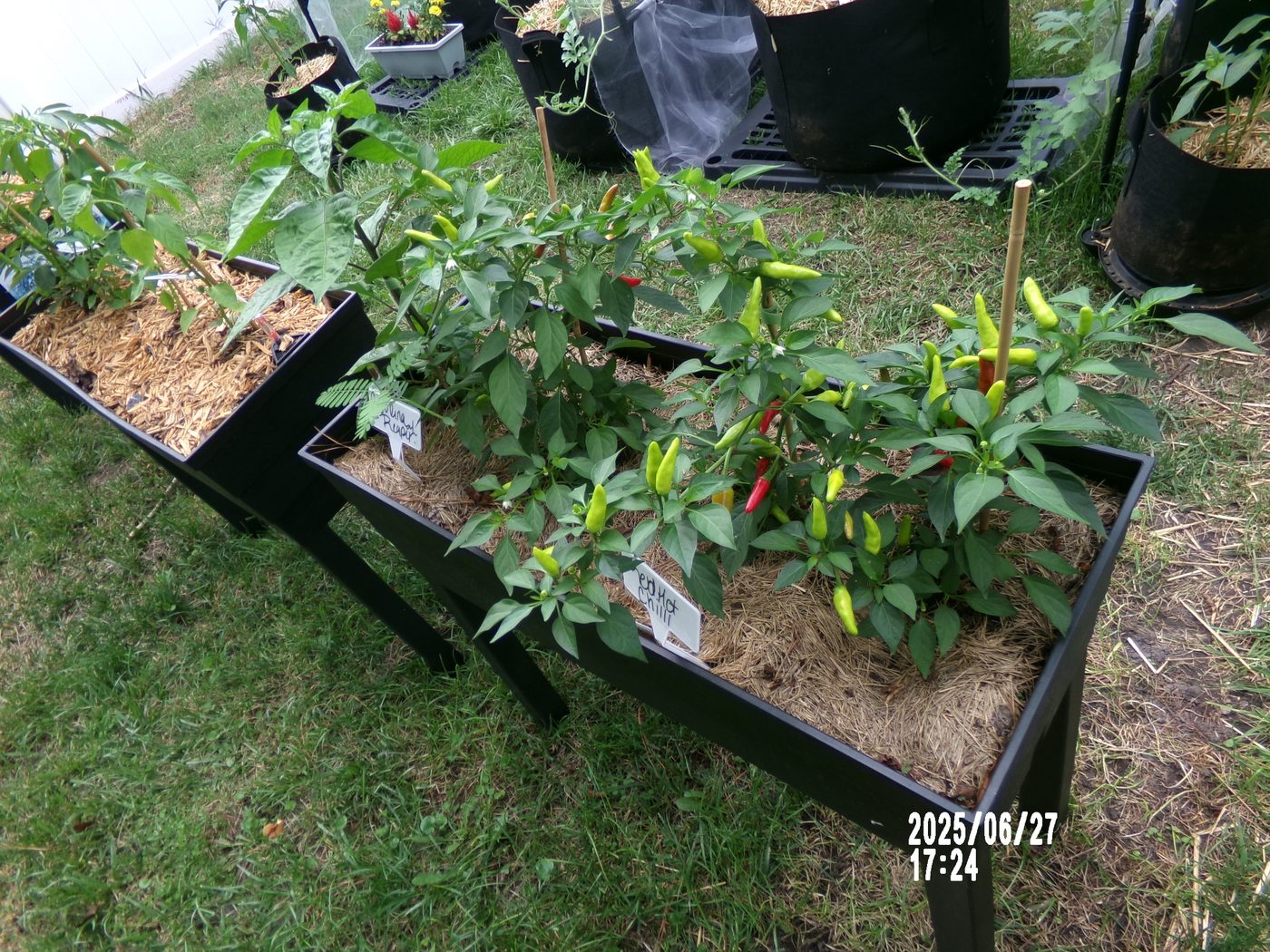
My dad, a master gardener, suggested we grow peppers. That sounded like a vibe. I love spicy food in a way that makes people question whether I eat anything else. We would probably run out of toilet paper in my house before we ran out of cayenne pepper. Growing them right there in the backyard felt like an immediate win.
We started reading, realized they grow fine in bags or planters, and met up with my dad that weekend at Norfolk Feed & Seed to pick out seedlings. We were not even remotely emotionally prepared for the buffet of fruit varieties we could apparently just grow. There were more peppers than we expected and, more importantly, watermelon seedlings.
spoiler: the peppers turned out great
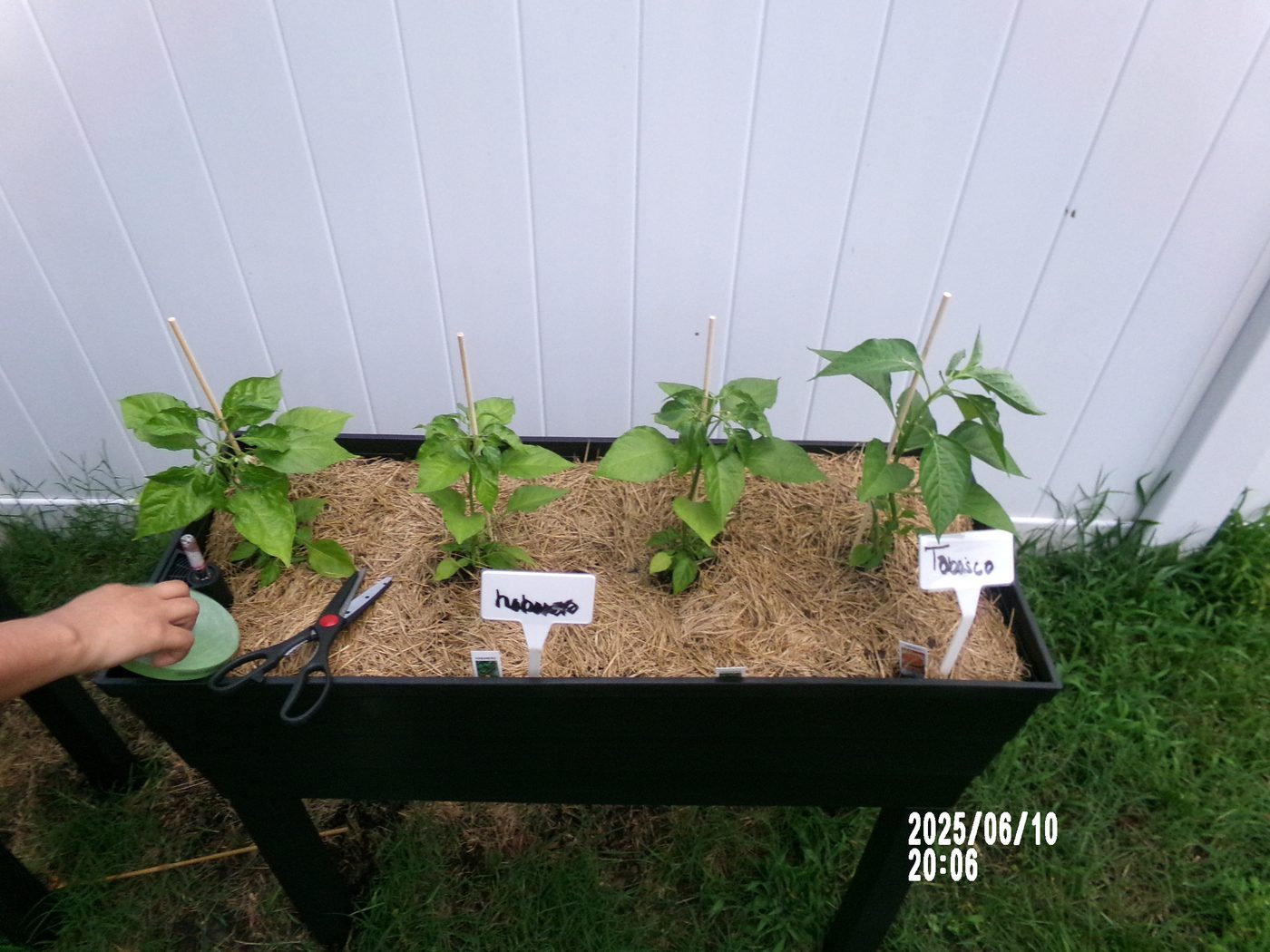
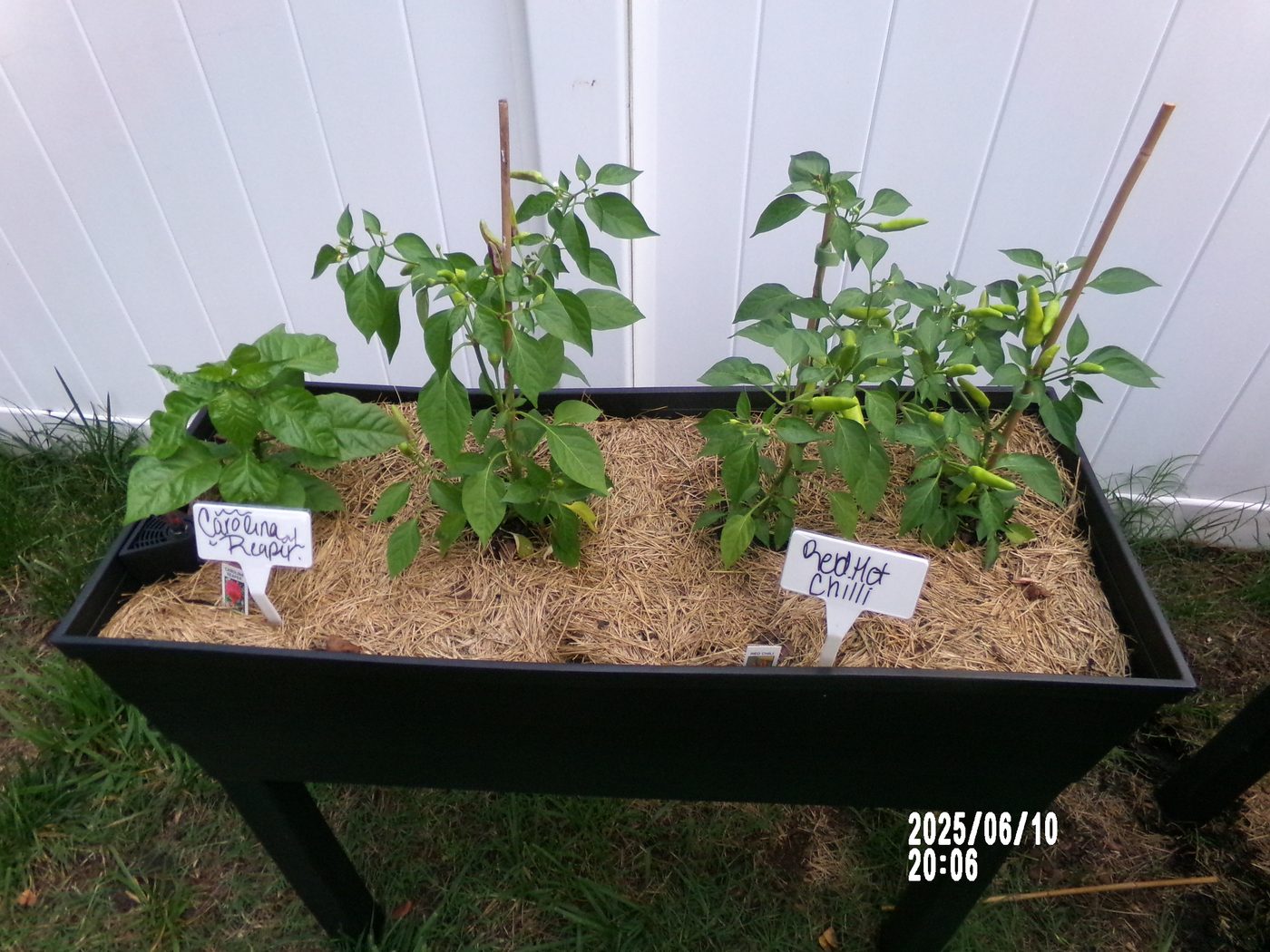
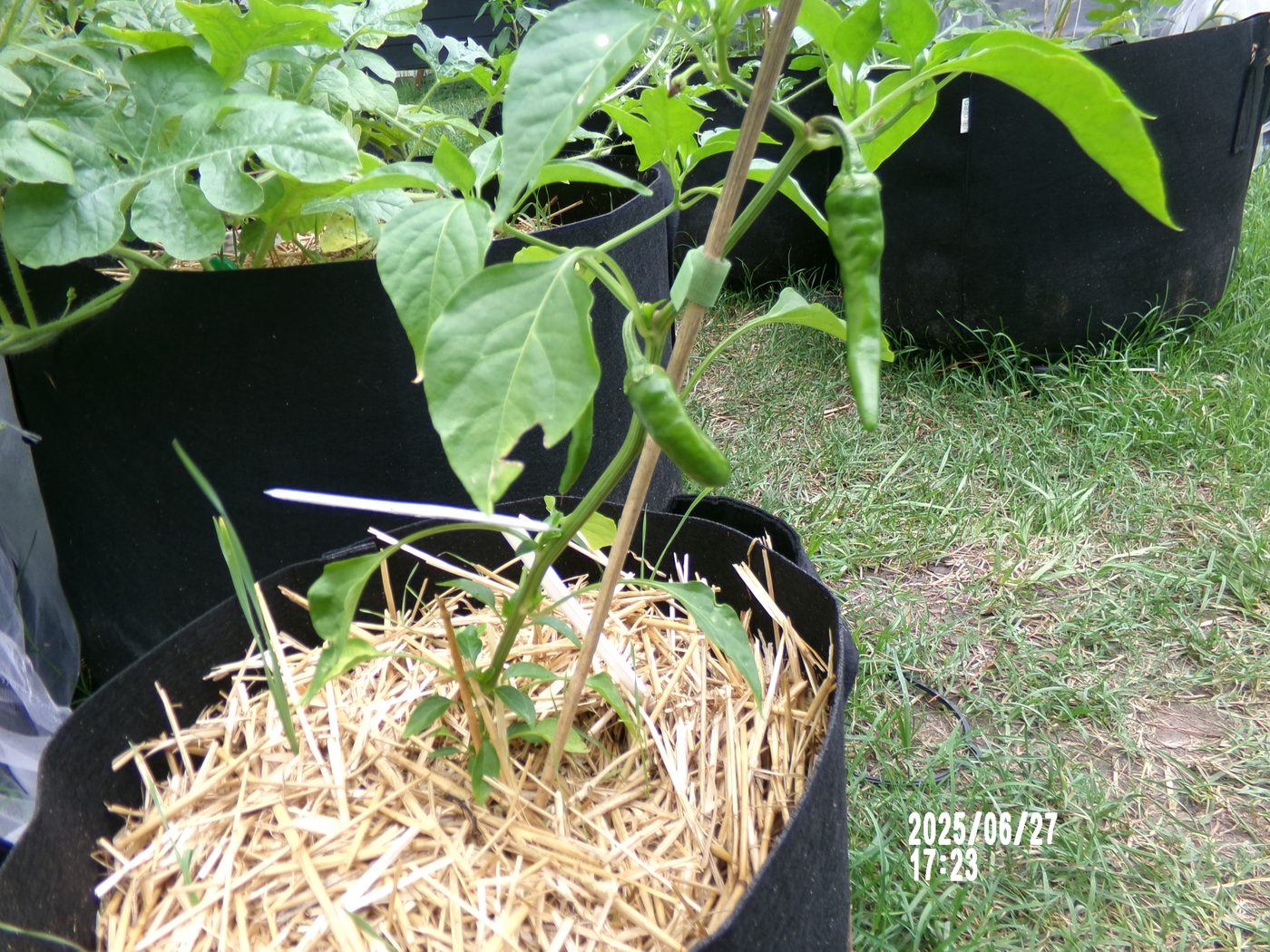
So there we were: nine watermelons, no space, moles in the ground, and a very specific and slightly ridiculous question.
From there, imagine a cutscene of spirited collaboration between me, my wife, my dad, some wonderfully patient hardware store employees, and a sprinkle of AI helping us turn chaos into something we could explain.
And the result was a floating watermelon garden.
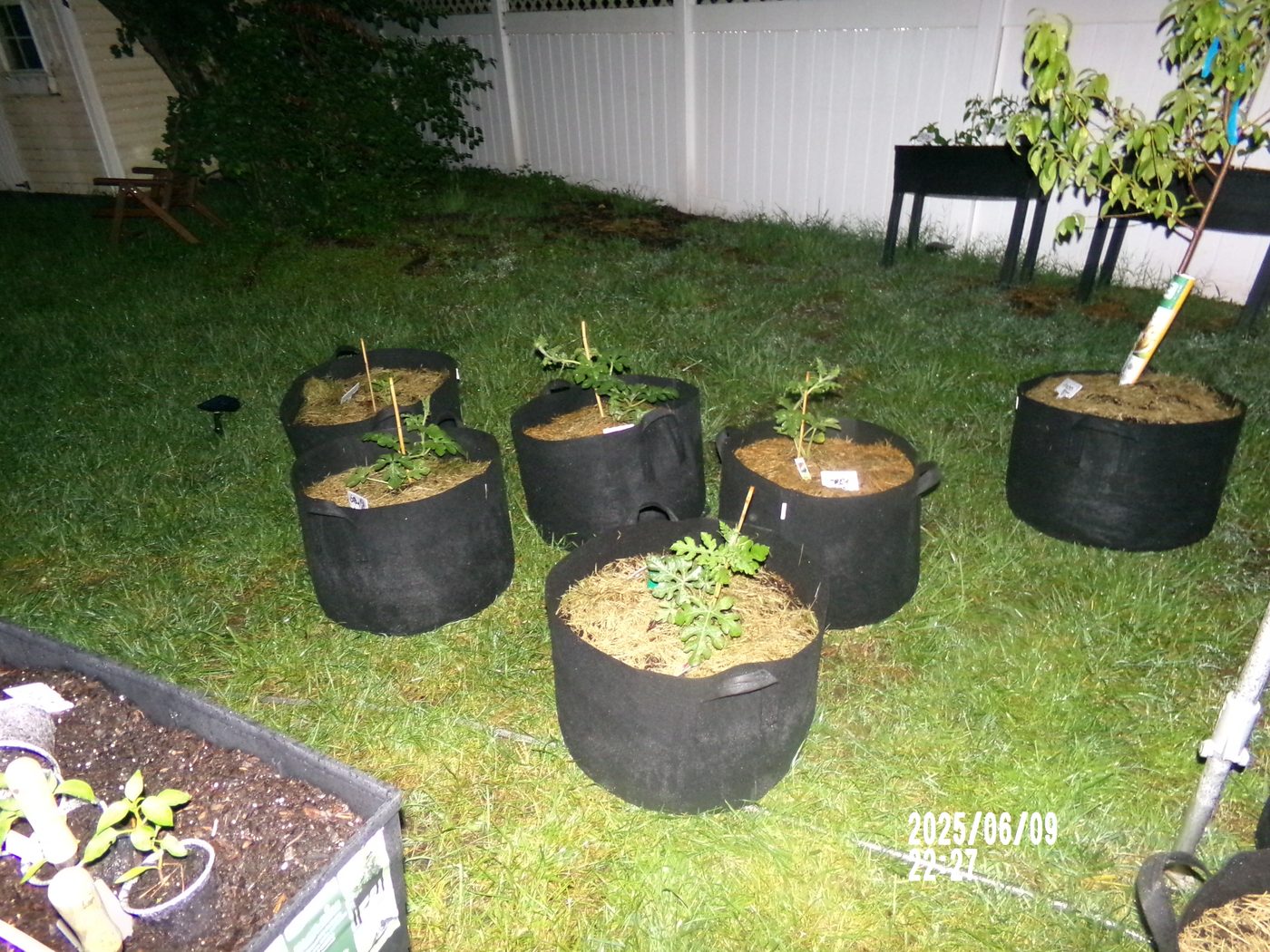
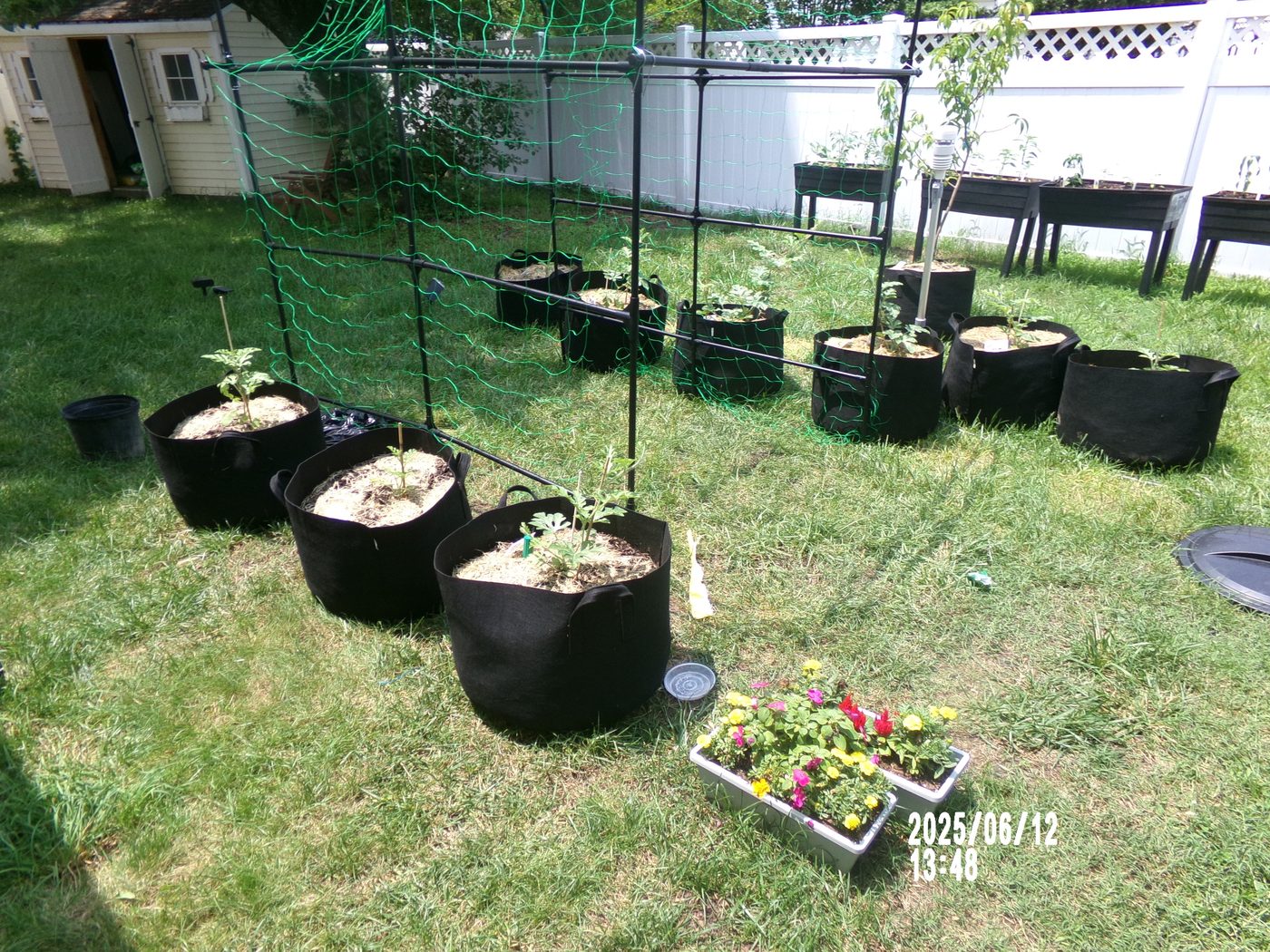
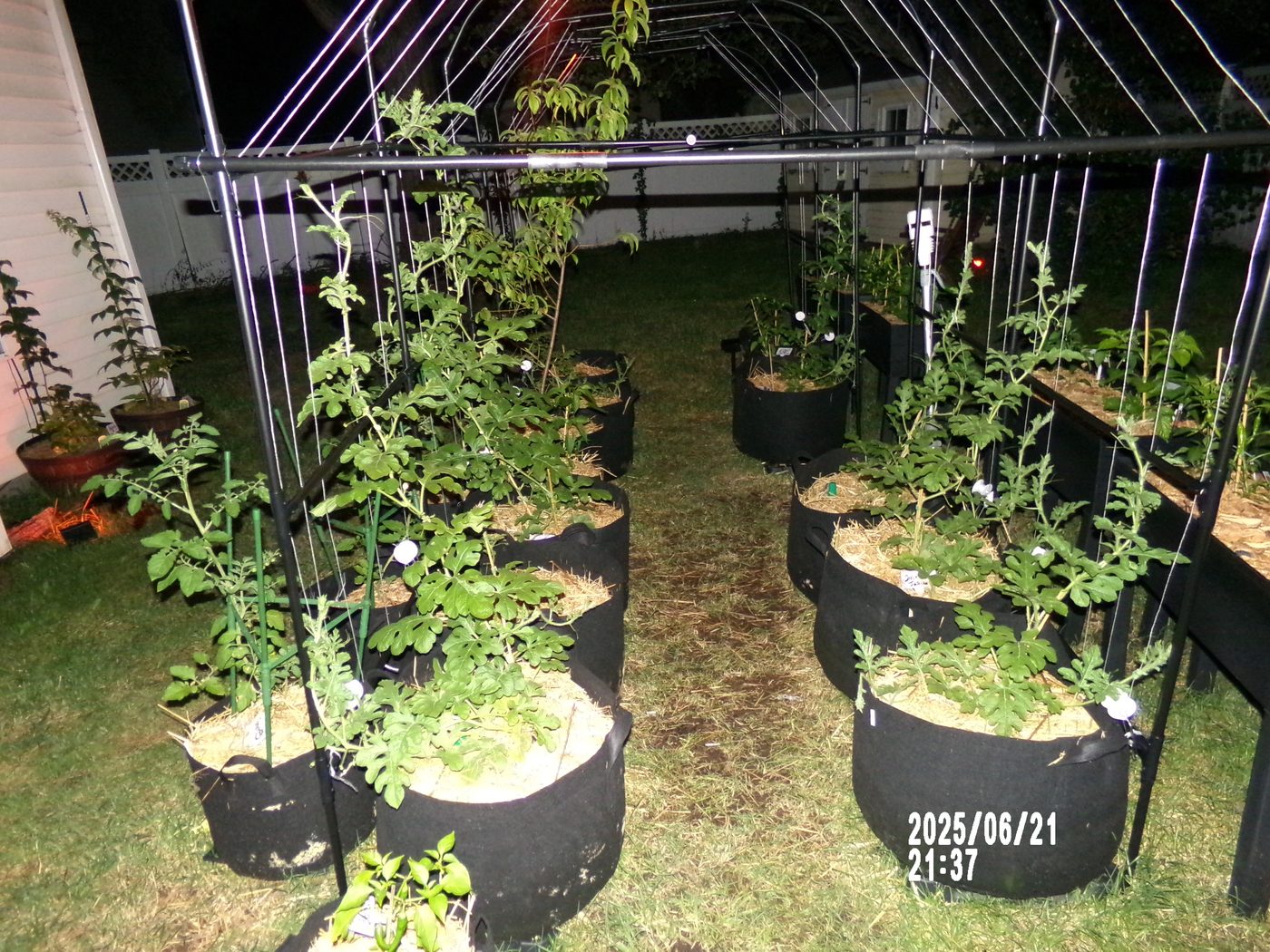
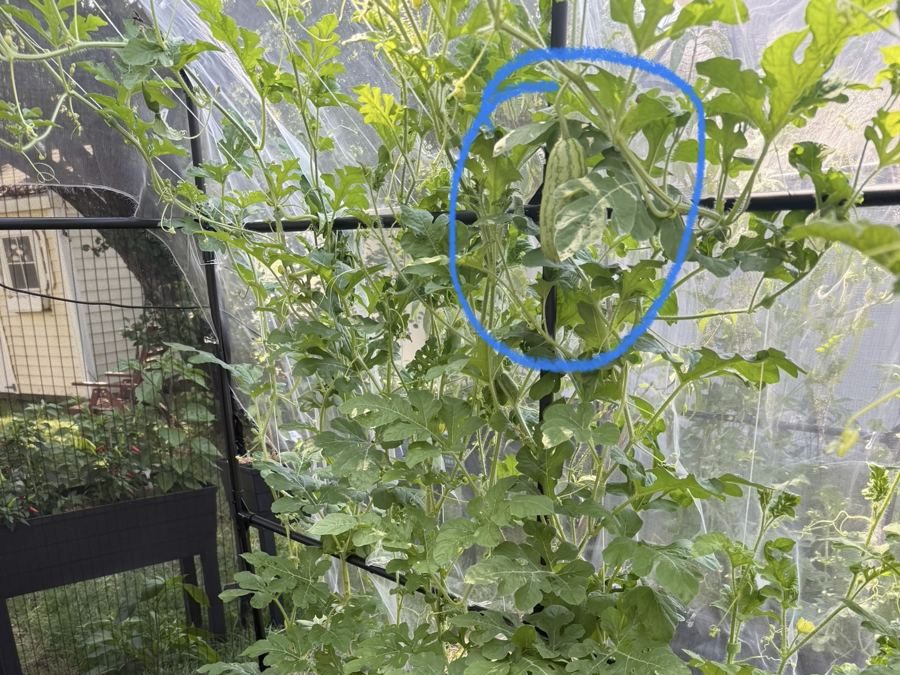
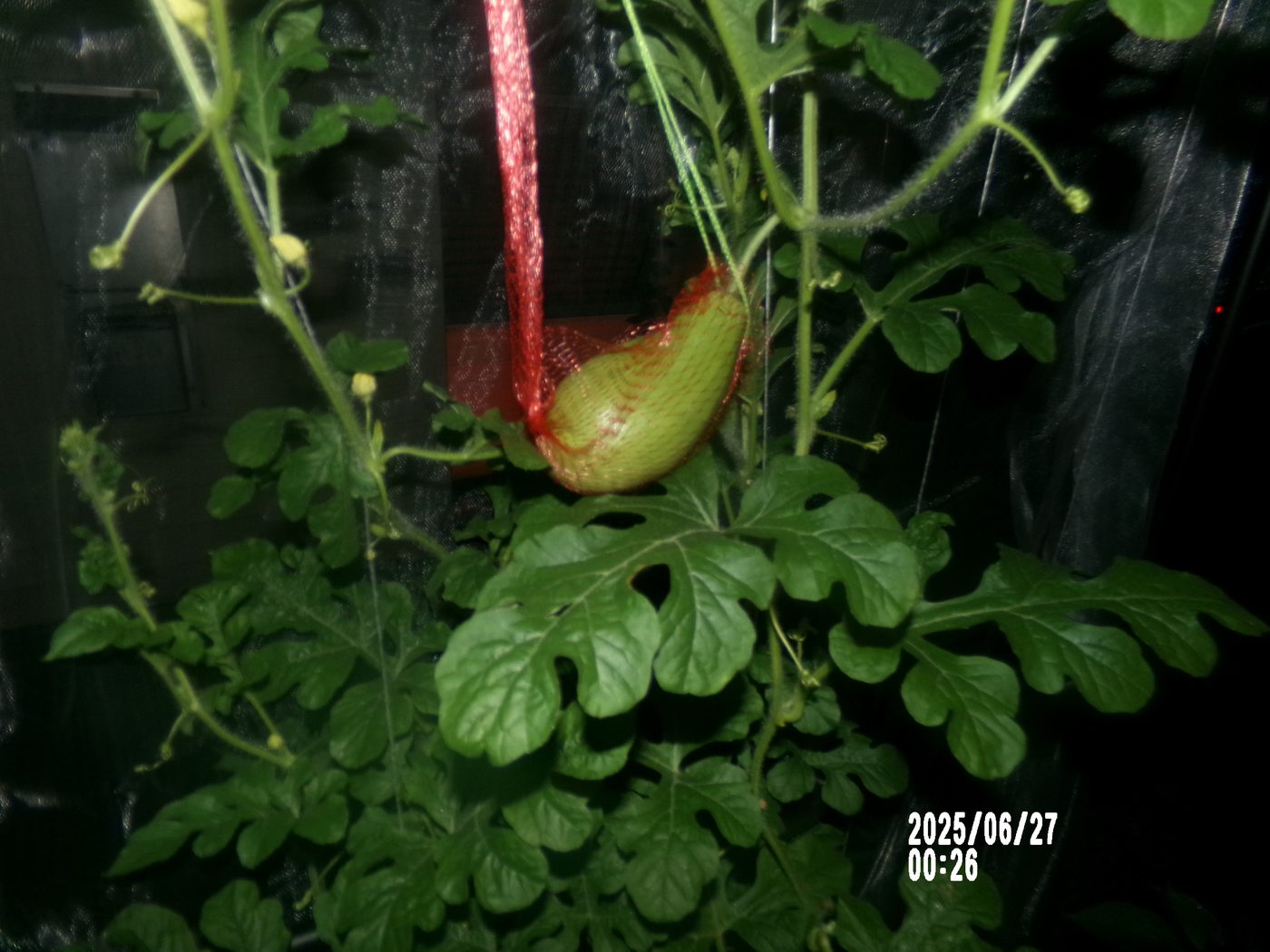
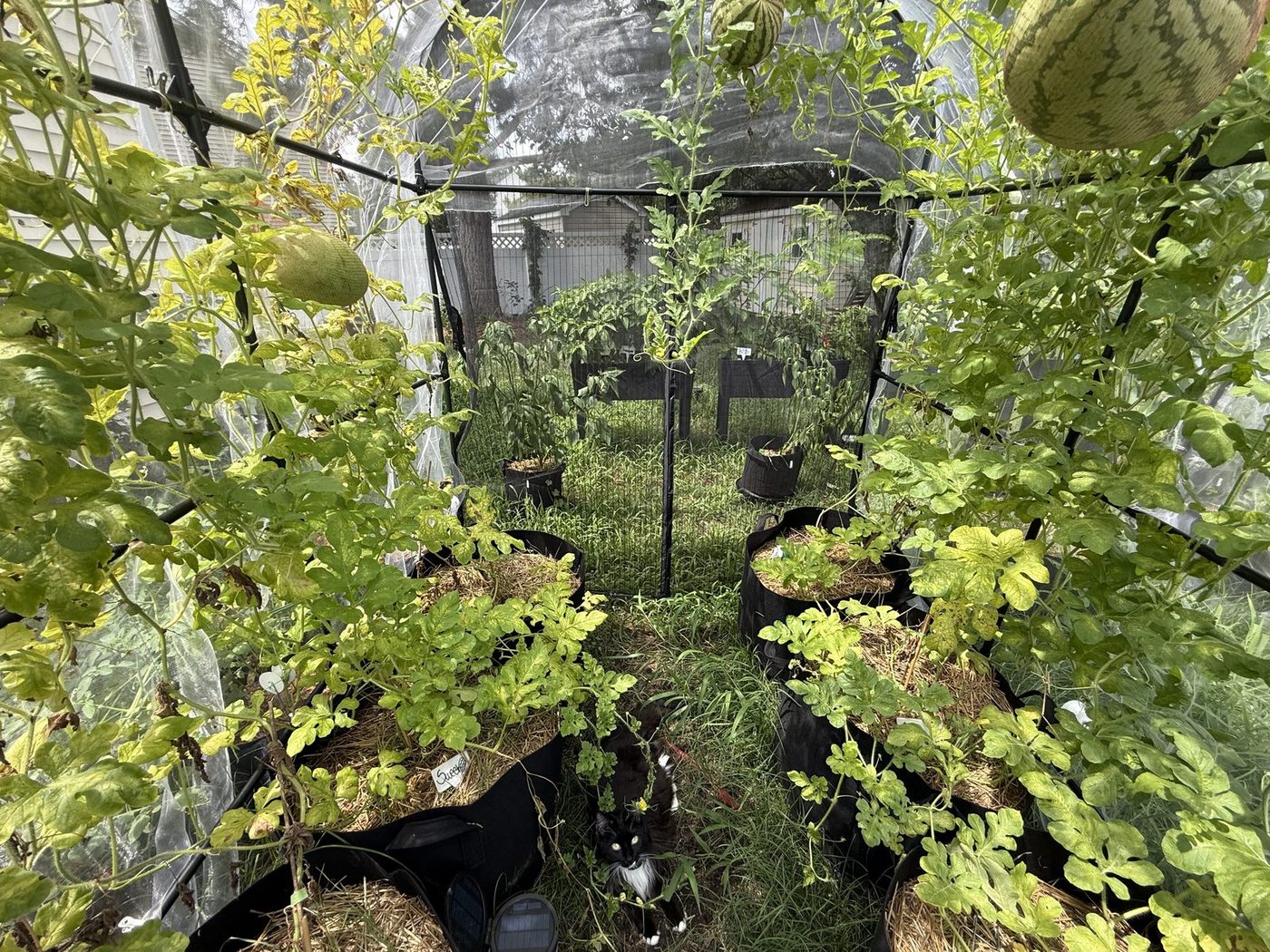
That was the crazy part about how all of this happened. We got to ask the AIs whatever we wanted. After exhausting every page we could find about the normal ways people grow watermelons, we started running the weird scenarios by them instead.
Could the vines climb this? Could the melons hang from that? What if the bags were raised? What if the moles were the final boss? What if two indoor people with gamer brains and absolutely too many watermelon seedlings were determined to make this work anyway?
The AI did not magically make us gardeners. But it helped us become conversational enough to keep going.
Of course, when it came time to make real decisions, we relied more on my dad and those very patient store employees. That was the actual pipeline: AI helped us turn vague, weird ideas into language; humans with real experience helped us turn that language into judgment.
It translated our city-living, pro-gaming, watermelon-growing dreams into something we could actually attempt.
That was a W.
But when you mistake fluency for judgment, and you do not get a dad in the room, that is when you take the Ls.
Our melons were getting cooked, and we needed mulch. We could not find clean straw at the store, so our AI helper confidently told us we could — and in fact should — use our grass clippings as mulch for the melons.
It left out that wet grass clippings are mosquito paradise.
So while our watermelons did retain their water, they also gave us nine supercharged mosquito spawners.
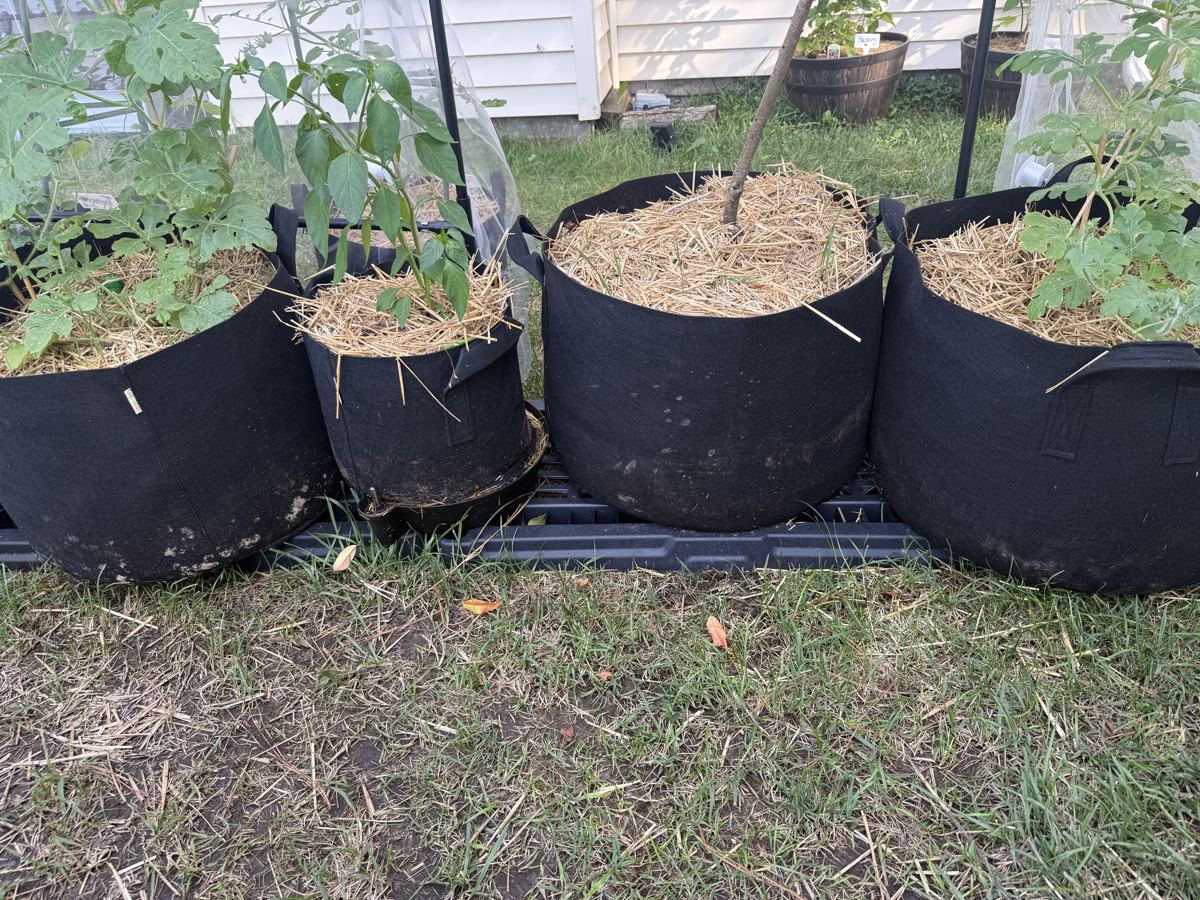
The battle was fierce, but we prevailed, and no seedlings sustained lasting damage. In the heat of battle, we also reinvented mosquito netting. Combined with plastic shelf risers to let the bags breathe, the fix turned into an overall upgrade worth the struggle.
Over the following months, we found a healthier pipeline for moving ideas into reality. The AIs helped translate our gamer-gardener instincts into something intelligible, and the people with green thumbs helped guide the actual decisions.
In the end, this L had a cost low enough to laugh about later, and the project got better because of it.
The next L was less cute.
tangent: mini history with ai agents
By day, I work as an Artificial Intelligence Solutions Architect, which is what I became after being what I actually am — a data engineer — became, ironically, less accurate because everything was suddenly becoming AI.
So while I might ask an LLM how to keep my melons moist, I am unironically less keen on letting a next-token predictor inject words directly into my shell.
Still, around December, the coding agents started becoming useful enough to tempt me. Not trustworthy, exactly. But useful. With enough structure, enough review, and enough paranoia, they could do real work.
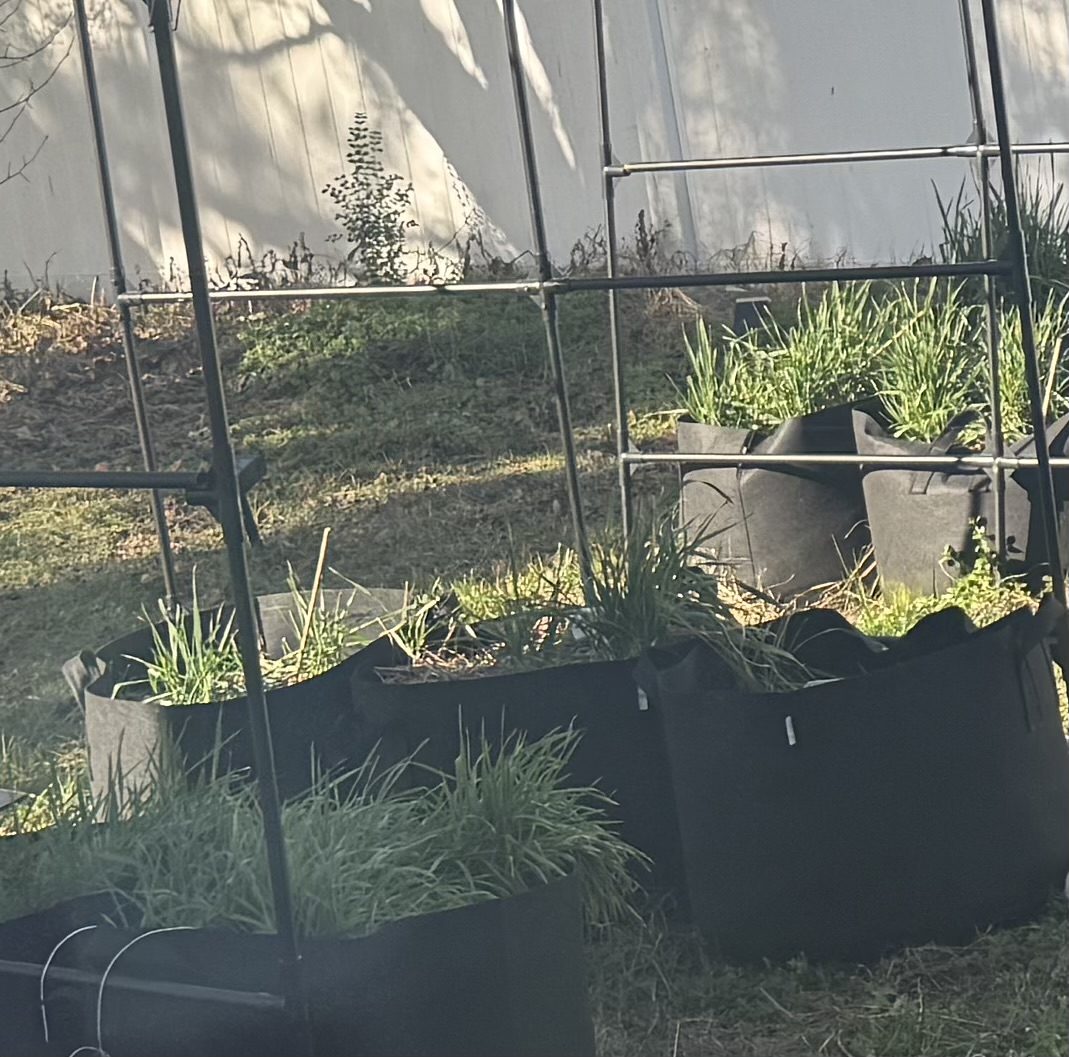
I built a containerized CLI agent called Clide, mostly so I could study these tools without giving them the run of my actual machine. In February, just as we realized the cute grass emerging from the watermelon bags was apparently here to stay, I let Clide running the best models at the time help me reconfigure access to a remote server. The safe sequence was obvious: verify the private connection works before closing the public one.
That was the plan I yapped about, Clide adjudicated, and I verified line by line.
Then we got underway. It started checking things off the task list in order. Life was great.
Then came the switch.
In a moment of synthetic brilliance, Clide decided it would be more efficient to do both tasks at once.
Bruh.
It had all the information I had and more. We had written the plan explicitly together. And then it decided it was smarter, confidently swung the front door closed and locked us out with they keys visibly inside on the counter.
tangent: Clide and the locked door
The metaphor kind of ends there because the solution, sadly, was not a locksmith. It was abandoning that instance — essentially destroying the house to get back in.
Naturally, in the debrief, Clide produced articulate apologies and a promise that it understood what went wrong and would not do it again.
And naturally, having continued to work on this for a few months since that incident, you might be wondering if it kept its promise.
Of course not.
It did it again.
That pattern has been stuck in my head ever since. I do not really care how "smart" these systems can sound. I care whether they can reliably do what they said they were going to do, without quietly deciding to be clever.
Clide is not there yet.
Now, in April, our grass-clipping mulch mistake has evolved into something museum-worthy.
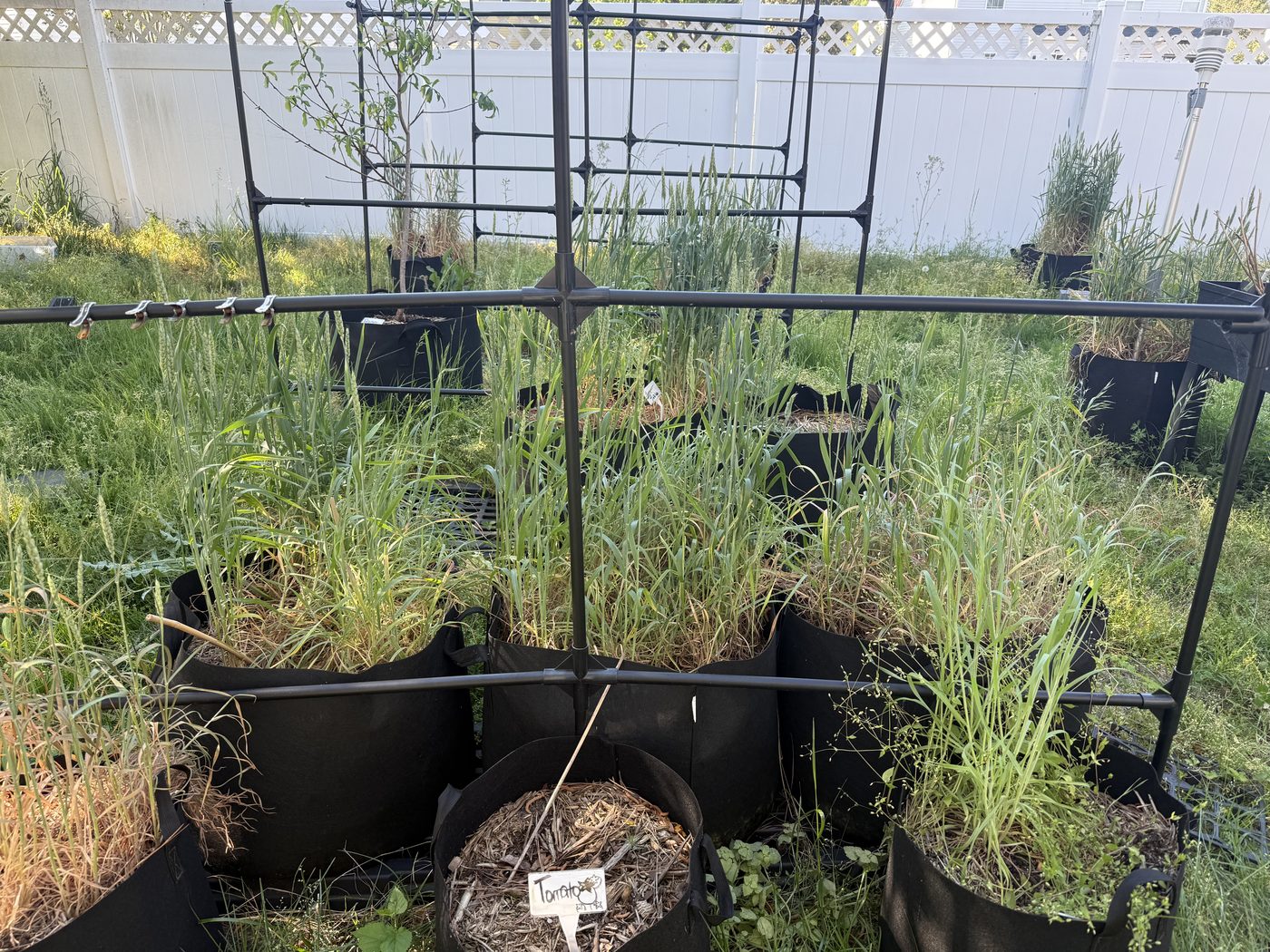
The local birds and rabbits appear to agree. They have started congregating in the backyard, even though we go out there a lot now, which feels like a vote of confidence from a constituency I respect.
We started with peppers. We accidentally acquired nine watermelons. We built a floating watermelon garden with family, hardware store employees, and AI translation services. We fought mosquitoes. We grew grass in bags. The birds showed up. The rabbits followed.
Somehow, a backyard we barely knew what to do with started getting ideas of its own.
Which means the only sensible thing to do from here is turn those formerly watermelon grow bags into solar-powered smart bird feeders with cameras and sensors.
If the birds are going to review our work this closely, they might as well get production monitoring.
More to follow.